Source Hospital Electrosurgical Cautery Equipment for Surgery
Find 30 hospital electrosurgical cautery equipment options for general surgery, endoscopic procedures, and orthopedic applications. Compare models like WMESU-400 and PT2000AI with features such as LCD displays, multiple working modes, and CE certification to select the right power supply for your facility.
Key considerations
Products List

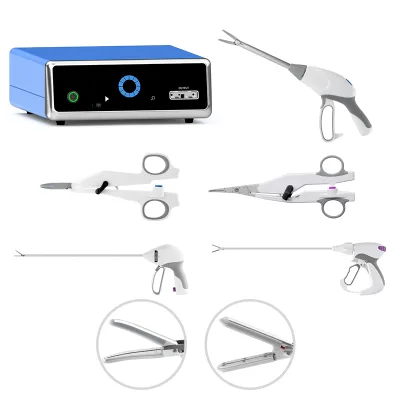


Comprehensive Sourcing Guide
Hospital Electrosurgical Cautery Equipment Sourcing Guide
Procuring hospital electrosurgical cautery equipment requires a strategic approach that balances clinical efficacy with operational reliability. Buyers must prioritize devices that offer intelligent power output and automatic adjustment features to ensure consistent tissue sealing and cutting performance. The market offers various models, such as the WMESU-400 and PT2000 series, which cater to diverse surgical needs including general surgery, gynecology, and orthopedics. Understanding the specific working modes, such as pure cut, blend, and coagulation, is essential for matching equipment to departmental protocols.
Selection should also consider the physical interface and control mechanisms, as these impact surgeon workflow and safety. Many units support both hand and foot control, providing flexibility during complex procedures. Additionally, the presence of an LCD display allows for real-time monitoring of power settings and operational status, reducing the risk of user error. Buyers should evaluate the instrument classification, typically Class II for these devices, to ensure compliance with local regulatory frameworks and hospital procurement policies.
Product Scope and Observed Listing Signals
The current market landscape for electrosurgical generators reveals a wide range of specifications and price points, reflecting the diversity of available technologies. Observed listings indicate a price range from approximately $100 to $5,250, suggesting significant variation in features, build quality, and included accessories. Minimum order quantities are generally low, often ranging from one to two units, which facilitates trial purchases for smaller clinics or specific departmental needs. This accessibility allows hospitals to test equipment performance before committing to larger institutional contracts.
Product attributes highlight a focus on advanced energy surgical instruments designed for high-frequency applications. Key features frequently observed include one-button operation, intelligent power output, and automatic adjustment capabilities, which streamline surgical workflows. Materials used in construction often include stainless steel, ceramic, and plastic components, ensuring durability and biocompatibility. Buyers should note that while many products originate from China, specifically Jiangsu province, the specific model numbers and technical details vary significantly across suppliers, requiring careful verification of each unit’s capabilities.
Technical Specifications to Verify
Verifying technical specifications is critical to ensuring the electrosurgical unit meets the clinical requirements of the operating room. Buyers must confirm the output power capabilities, which can range from 300W to higher capacities depending on the model. It is essential to check the operating frequency, typically monopolar frequencies around 330kHz or 430kHz, to ensure compatibility with existing surgical instruments and patient safety standards. The power rating, often specified as 800VA ±10%, indicates the electrical load the unit can handle, which is important for facilities with unstable power grids.
Different working modes offer distinct advantages for various surgical procedures. Pure cut, blend, ablation, spray coagulation, and forced coagulation modes allow surgeons to tailor energy delivery to specific tissue types. Buyers should verify the power ranges for each mode, such as spray coagulation from 1W to 80W or bipolar coagulation up to 120W. Additionally, the power source compatibility, including 220V/110V options, must be confirmed to match the hospital’s electrical infrastructure. Ensuring these specifications align with clinical needs prevents operational disruptions during critical surgeries.
Compliance and Safety Documentation
Compliance with international safety standards is non-negotiable for hospital procurement. Buyers must verify that the electrosurgical equipment holds valid CE certification, indicating conformity with health, safety, and environmental protection standards for products sold within the European Economic Area. Additionally, ISO certification, such as ISO 13485 for medical device quality management, provides assurance that the manufacturer adheres to rigorous quality control processes. These certifications are crucial for regulatory approval in many countries and ensure the device meets essential safety requirements.
Documentation should also include detailed user manuals, service guides, and warranty information. A standard warranty period of one year is common, but buyers should clarify the terms for extended coverage and the availability of free spare parts. After-sale services, such as online technical support, are vital for maintaining equipment uptime and addressing technical issues promptly. Buyers must ensure that all safety standards, including those related to electrical leakage and electromagnetic compatibility, are explicitly documented and verified by independent testing bodies where required.
Cost Drivers and Commercial Terms
Several factors influence the total cost of ownership for electrosurgical cautery equipment. The initial purchase price is driven by the complexity of the device, including features like LCD displays, multiple working modes, and intelligent power adjustment. Higher-end models with advanced capabilities and broader power ranges typically command higher prices. Buyers should also consider the cost of consumables, such as specialized electrodes and accessories, which may be proprietary to the generator brand, affecting long-term operational expenses.
Commercial terms, including payment methods, shipping costs, and lead times, significantly impact the procurement budget. While minimum order quantities are often low, bulk purchases may offer discounts. Buyers should negotiate clear terms for delivery, installation, and training to avoid hidden costs. The origin of the product, often China, may affect shipping logistics and import duties. Understanding these commercial dynamics allows hospitals to budget accurately and select suppliers who offer transparent pricing and favorable payment terms.
Supplier Qualification and Quality Control
Evaluating supplier qualifications is essential to mitigate procurement risks. Buyers should verify the manufacturer’s production capabilities, quality control processes, and track record in the medical device industry. Suppliers with established facilities in regions like Jiangsu, China, often have robust manufacturing infrastructure, but buyers must confirm their ability to maintain consistent quality across batches. Requesting references from other healthcare institutions that have used the supplier’s equipment can provide valuable insights into product reliability and service quality.
Quality control measures should include pre-shipment inspections and certification audits. Buyers should ensure that each unit undergoes rigorous testing to verify performance specifications and safety compliance. Documentation of quality certifications, such as CE and ISO, should be current and valid. Additionally, suppliers should provide clear guidelines for maintenance and calibration to ensure long-term performance. Establishing a strong relationship with a qualified supplier ensures access to genuine spare parts and timely technical support, which are critical for maintaining surgical operations.
Long-Term Procurement Checks
Long-term procurement success depends on ongoing evaluation of equipment performance and supplier support. Buyers should monitor the reliability of the electrosurgical units in clinical settings, tracking metrics such as downtime, repair frequency, and user satisfaction. Regular maintenance schedules and calibration checks are essential to prevent equipment failure during surgeries. Buyers should also stay informed about technological advancements in electrosurgery, as newer models may offer improved safety features or efficiency gains that justify replacement or upgrade.
Supplier relationship management is equally important for long-term procurement. Buyers should maintain open communication with suppliers to address any emerging issues promptly and negotiate favorable terms for future purchases. Regular reviews of warranty claims and after-sale service responsiveness can highlight potential problems early. Additionally, staying updated on regulatory changes and industry standards ensures that the hospital’s equipment remains compliant and competitive. By proactively managing these aspects, hospitals can optimize their investment in electrosurgical cautery equipment.
FAQs
What customization options are available for this electrosurgical unit?
Customization is available for this electrosurgical energy instrument power supply to meet specific surgical needs. The device features intelligent power output and automatic adjustment capabilities. It supports various working modes including pure cut and forced coagulation for general surgery applications.
Which certifications does the hospital cautery equipment hold?
The equipment holds CE and ISO certifications for safety and quality assurance. It is classified as a Class II instrument suitable for advanced energy surgical procedures. These standards ensure compliance with international medical device regulations for use in hospitals and clinics.
How is the power output controlled during surgical operations?
Control is provided through both hand and foot mechanisms for flexible operation. The unit offers adjustable power ranges for spray coagulation, forced coagulation, and bipolar coagulation. Intelligent power output ensures precise energy delivery during vessel sealing and tissue cutting procedures.
What is the shelf life and warranty period for this generator?
The device has a shelf life of two years and includes a one-year warranty. Online technical support and free spare parts are provided for after-sale service. This ensures long-term reliability for surgical operations in gynecology, urology, and laparoscopic training environments.
Can this unit be used for endoscopic surgery procedures?
Yes, the generator is designed for transforaminal endoscopic surgery and laparoscopic applications. It supports general surgery, orthopedics, and thoracic procedures with specific power ratings. The LCD display allows surgeons to monitor settings clearly during complex surgical interventions.
What are the operating frequencies for monopolar modes?
The operating frequency for monopolar modes is 330kHz or 430kHz depending on the configuration. This frequency range supports efficient tissue cutting and coagulation. The system delivers up to 300W of pure cut power for effective surgical outcomes.
How is the product packaged for international shipping?
The product is packed in a paper box or export standard package for safe transport. Each single package measures 49x45x33 cm with a gross weight of 9.840 kg. This packaging ensures the instrument remains secure during transit from Jiangsu, China to global destinations.